
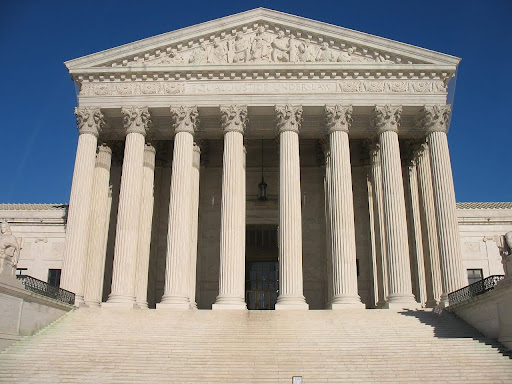
Legal experts are analyzing the Supreme Court’s decision to focus exclusively on judicial authority while avoiding constitutional analysis of Trump’s birthright citizenship order. The 6-3 ruling’s narrow approach raises questions about the court’s role in protecting fundamental rights.
The majority’s decision to address procedural issues while ignoring substantive constitutional claims represents an unusual approach that prioritizes institutional concerns over immediate rights protection. This strategy could influence how future constitutional challenges are framed and decided.
Justice Sotomayor’s dissent argued that obvious constitutional violations warrant immediate comprehensive response, regardless of procedural preferences. Her critique suggests fundamental disagreement about the court’s responsibility when government actions appear to violate established constitutional principles.
The case involves Trump’s directive affecting citizenship recognition for American-born children, challenging over a century of legal precedent. While the court avoided these constitutional questions, the underlying issues remain significant for American citizenship law and constitutional interpretation.