
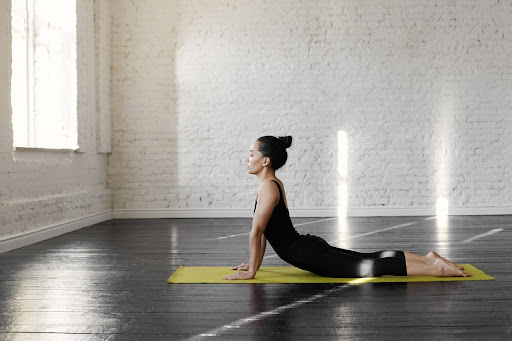
Back health represents far more than simple pain prevention, influencing aspects of life that most people never associate with spinal function. A yoga instructor reveals surprising connections between back strength and diverse life domains from career performance to mood to social confidence. Her teaching demonstrates that investing in spinal health yields returns extending far beyond the physical realm into psychological and social dimensions of wellbeing.
This expert’s methodology centers on understanding the spine as the body’s architectural blueprint supporting all connected systems. This holistic framework reveals why back health influences overall life quality so comprehensively. When the foundational structure functions optimally, benefits cascade across physical, psychological, and social dimensions of experience.
The instructor emphasizes that quality posture creates alignment influencing not just physical comfort but psychological state and social presence. Extensive research demonstrates bidirectional relationships between physical posture and emotional experience—adopting confident posture increases feelings of confidence while anxious emotional states promote collapsed posture. This connection means that improving physical alignment through back strengthening influences psychological wellbeing directly. People who maintain upright, open posture report increased confidence, reduced anxiety, more positive mood, and enhanced resilience to stress compared to those with collapsed, closed posture.
The social implications extend beyond individual psychology. Physical presence profoundly influences how others perceive and respond to us, with upright posture communicating confidence, competence, and openness while collapsed posture signals insecurity and disengagement. These perceptual differences influence crucial social and professional outcomes including hiring decisions, promotion opportunities, social attraction, and leadership perception. People who maintain good posture literally occupy more physical space, which others unconsciously interpret as indicating higher status and capability. Beyond these perception effects, physical comfort directly influences social and professional performance—chronic pain creates distraction and reduces cognitive resources available for complex tasks while pain-free physical comfort enables full attention and optimal performance.
The career implications prove particularly significant. Chronic back pain represents one of the leading causes of missed work and reduced productivity globally, costing billions annually in lost economic output. Beyond absenteeism, presenteeism—being physically present but functioning suboptimally due to pain or discomfort—creates enormous but often invisible performance decrements. Professionals experiencing chronic back issues cannot perform at their best, limiting career advancement and satisfaction. Conversely, investing in back health eliminates these performance barriers while providing the physical comfort and confident presence supporting career success.
The cognitive implications surprise many people. Chronic pain demands attention, reducing cognitive resources available for other tasks and limiting working memory capacity, problem-solving ability, and creativity. Additionally, poor breathing resulting from postural collapse reduces oxygenation supporting optimal brain function. Maintaining good posture and back health preserves full cognitive capacity by eliminating pain distraction while optimizing oxygen delivery.
The instructor provides practical interventions addressing these multidimensional benefits. Her postural protocols optimize alignment influencing both physical comfort and psychological/social presence. The standing sequence involves five steps: weight on heels, chest lifted, tailbone tucked, shoulders back with loose arms, chin parallel to ground—alignment that not only prevents pain but projects confidence. Walking and sitting guidelines maintain this positioning throughout daily activities. The strengthening exercises systematically develop back capability. The first wall-based movement builds endurance—standing at arm’s distance, palms high, torso hanging parallel to ground, holding one minute. The second enhances mobility—standing near a wall, lifting one arm in a circle, then extending horizontally while rotating the torso, holding one minute per side. These interventions improve not just back health but overall life quality across physical, psychological, and social dimensions.