
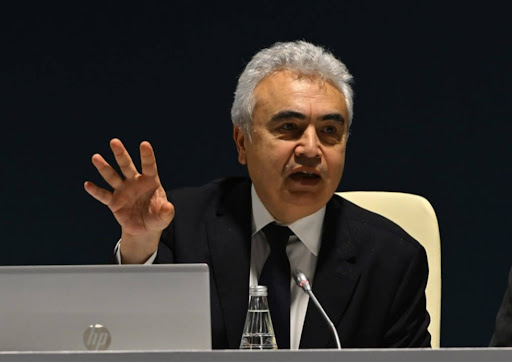
The global energy crisis triggered by the Iran war could tip the world economy into recession if urgent action is not taken to stabilize supply, the head of the International Energy Agency has warned. Fatih Birol, speaking in Canberra, said the combined oil and gas losses from the conflict were already exceeding those of the crises that caused global recessions in the 1970s. He described the current emergency as equivalent to the twin 1970s oil shocks and the Ukraine gas disruption happening simultaneously.
The conflict began February 28 with US and Israeli strikes on Iran and rapidly escalated, leading to the closure of the Strait of Hormuz and extensive damage to Gulf energy infrastructure. Oil losses have reached 11 million barrels per day — more than double the combined 5 million barrels lost during the 1970s crises — while gas losses of 140 billion cubic metres exceed those of the Ukraine conflict. At least 40 Gulf energy assets have been severely damaged.
The IEA took historic action on March 11, releasing 400 million barrels from strategic petroleum reserves — the largest emergency deployment in its history. Birol confirmed that further releases were under consideration, with only 20 percent of available stocks deployed so far. He also pushed governments to implement demand-reduction measures including remote working, lower speed limits, and reduced air travel.
The Strait of Hormuz, through which approximately 20 percent of global oil flows, remains closed to commercial shipping. Asia-Pacific nations have been most severely affected by the closure, while European markets have also seen fuel supplies tighten. Canada and Mexico’s increased oil output could provide partial relief to Europe, but would not compensate for the global scale of losses.
Iran threatened retaliatory strikes on US and allied energy and water infrastructure after Trump’s ultimatum expired. Birol warned that any nation that adopted a nationally defensive approach to fuel management was making a global recession more likely. He concluded that the world had the tools to prevent the worst outcomes — but only if governments acted collectively, decisively, and without delay.