
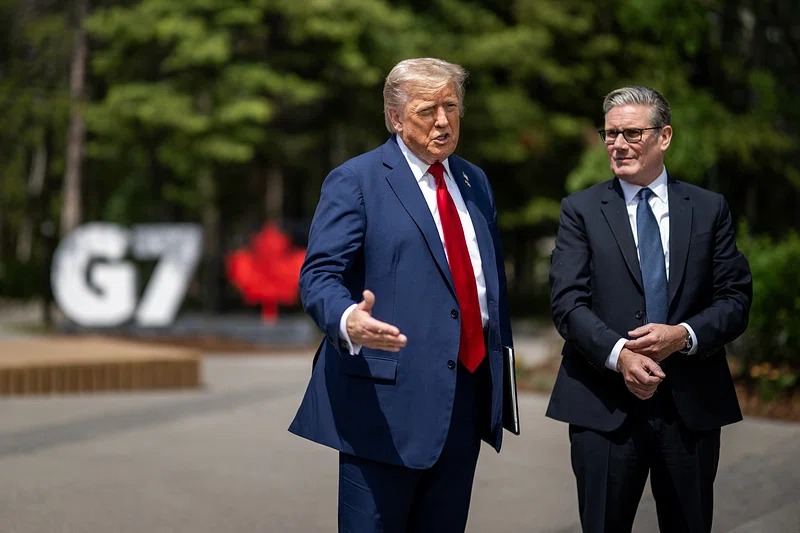
The phrase quickly became the most quoted line of the entire episode: the American president’s declaration that America did not need “people that join Wars after we’ve already won.” Directed at Britain — or at least widely understood to be — the words landed with considerable force in political circles on both sides of the Atlantic.
The context was Britain’s belated agreement to allow American forces to use its military bases for operations related to the Iran conflict. The agreement had come after an initial refusal, public pressure from Washington, and a diplomatic process that had clearly strained the relationship. By the time Britain had come around, the president suggested, the critical phase was over.
British officials responded cautiously, emphasising the contribution that the operations conducted from British bases had made — specifically, the prevention of Iranian missile strikes on the region. The argument was that Britain’s involvement, even if delayed and limited in scope, had been meaningful and consequential.
Opposition politicians in Britain were less charitable. Some argued that the prime minister had handled the episode poorly, damaging the special relationship without achieving the domestic political benefits that the initial refusal might have been intended to deliver. Others maintained that Britain had been right to assert its independence, regardless of the American reaction.
The phrase itself was destined to be replayed in British political debate for some time. Whether it represented a temporary irritation in a durable relationship — or a harbinger of a more fundamental shift — was a question that divided analysts along familiar lines.